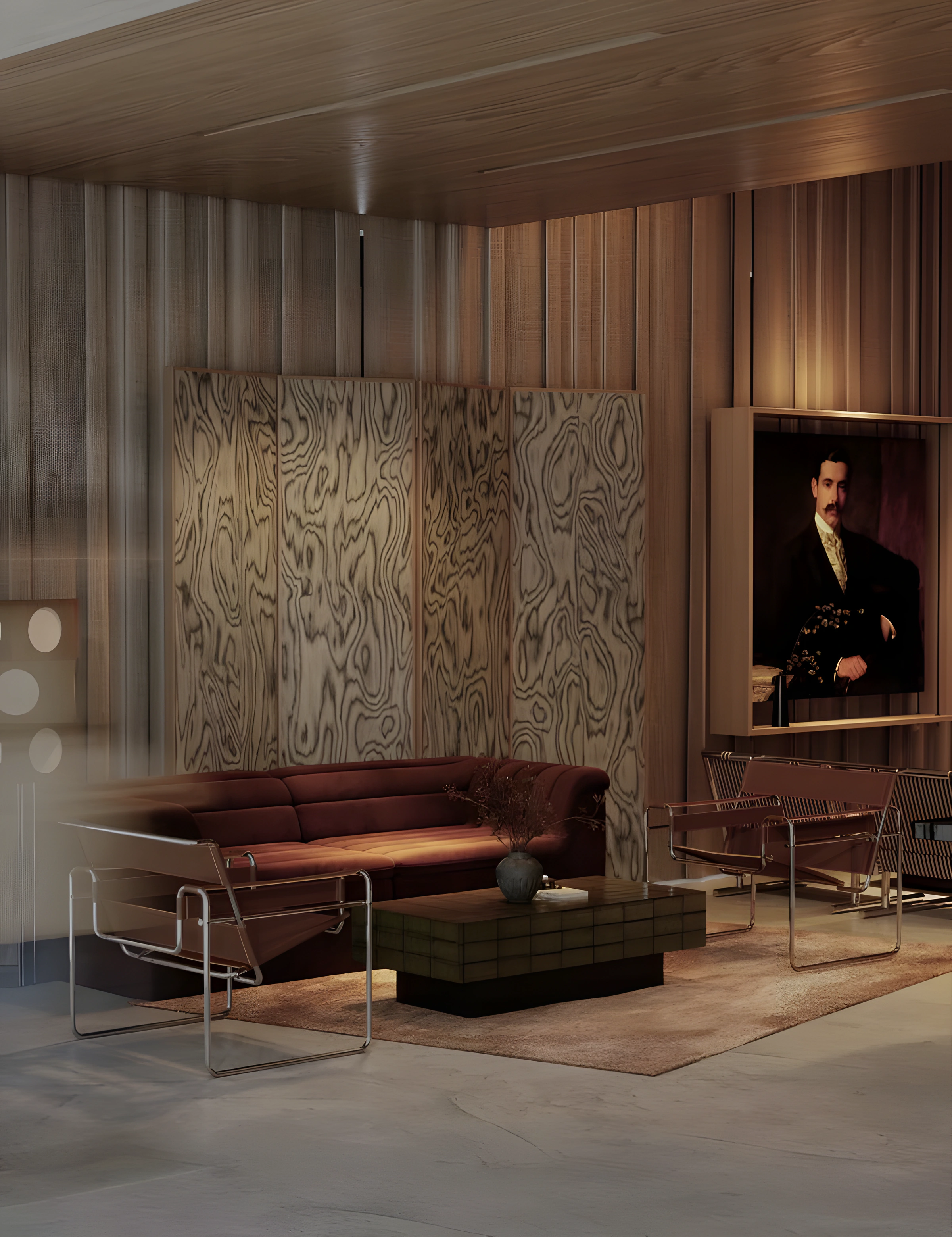
We spend enormous amounts of time discussing what an interior looks like.
Far less attention is given to what it sounds like.
Yet people experience both simultaneously.
Walk into an empty apartment with stone floors, plaster walls and large windows and every footstep becomes obvious.
Place fifty people inside a restaurant with concrete floors and no acoustic treatment and conversation can become exhausting.
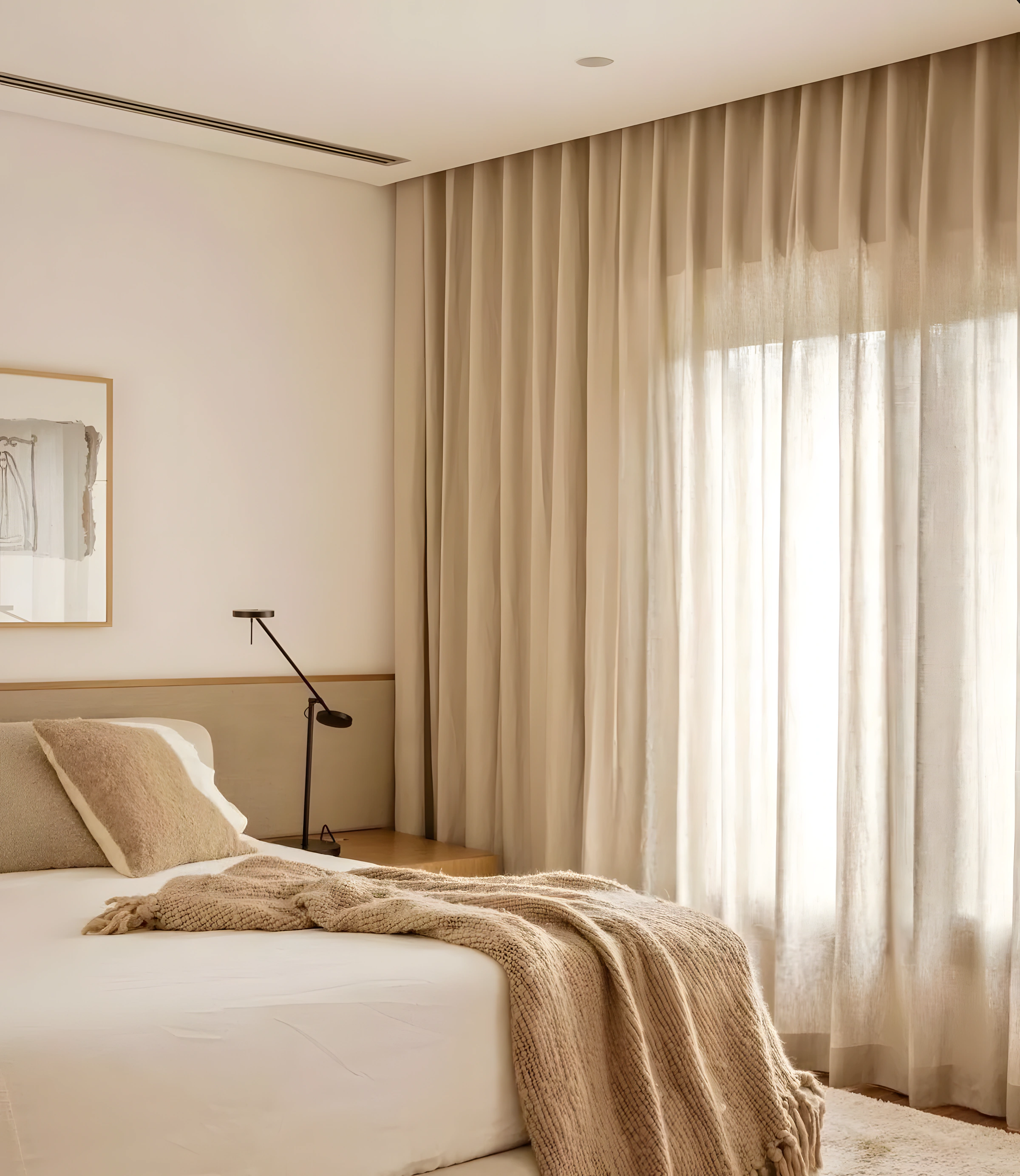
Move into a beautifully minimal home with very little textile, and the room may suddenly sound harsher than it appeared in photographs.
Acoustics are invisible.
That may be exactly why they are so easy to ignore.
Why hard interiors sound different
Sound moves through a room until its energy is absorbed.
Some materials absorb significantly more of that energy than others.
Soft, porous surfaces tend to absorb more sound.
Dense hard materials tend to reflect it.
- Stone.
- Glass.
- Concrete.
- Tile.
- Plaster.


No comments yet. Be the first to share your thoughts.