WOOD · HARDWOOD
White Ash
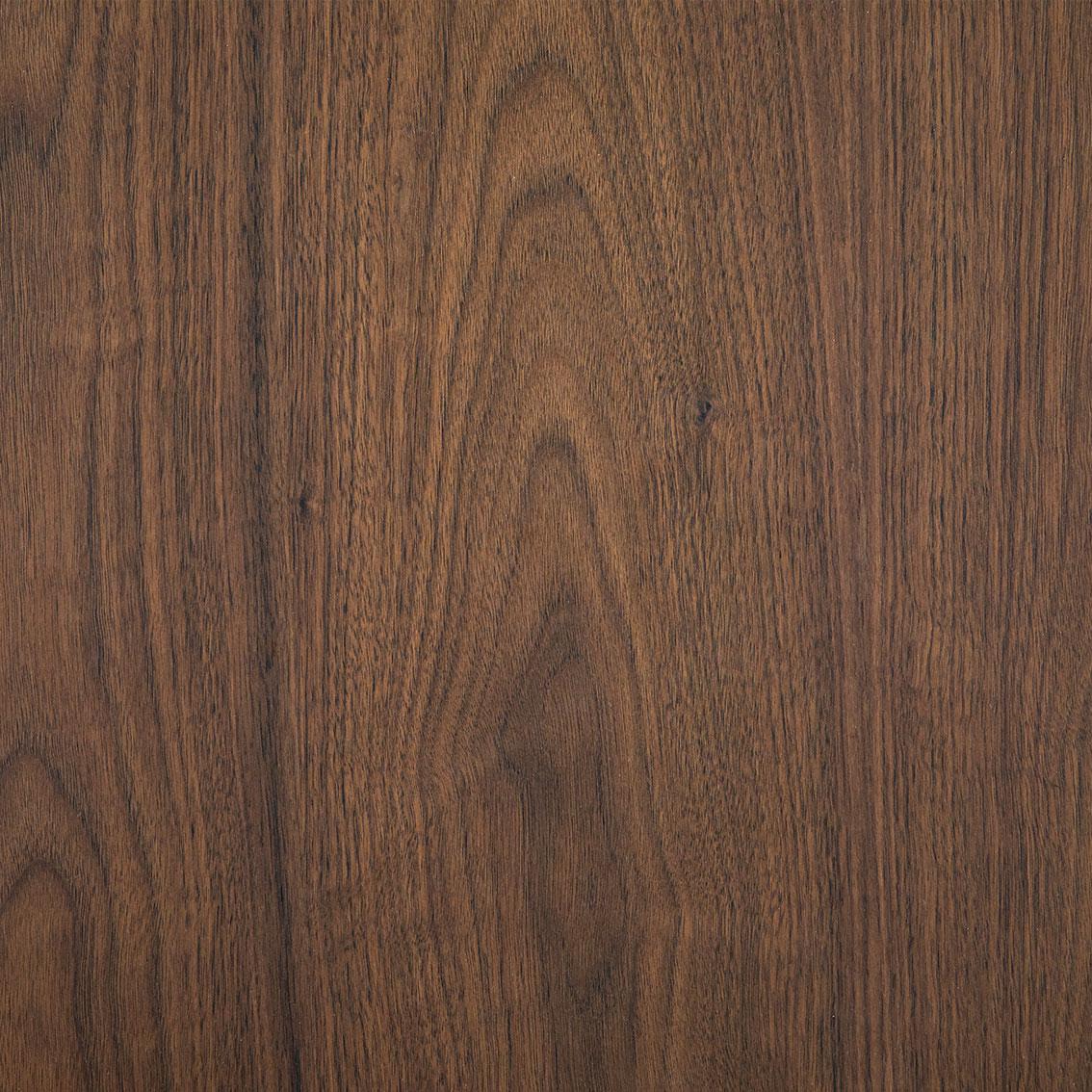
White Ash is a pale hardwood valued for its prominent grain, flexibility and strength. Its light colour and energetic linear pattern make it well suited to furniture, cabinetry, flooring, wall panels and contemporary architectural joinery.
01
Overview
Hardwood
Cream · Pale Beige · Light Brown
Light · Linear · Natural
€€€ · Premium
Scandinavian · Modern · Minimal
Medium–High
02
Physical Characteristics
03
Finish Options
04
Common Applications
05
Advantages & Limitations
Advantages
- Light and versatile natural colour
- Strong with good impact resistance
- Distinctive open and linear grain
- Suitable for steam bending and curved furniture
- Accepts stains and finishes well
Limitations
- Colour and grain vary naturally
- Limited resistance to prolonged moisture
- Can move with changes in humidity
- May yellow slightly with age and sunlight
- Requires protection in wet areas
06
Maintenance & Care
Dust regularly with a soft cloth and clean with a lightly damp cloth when necessary. Remove spills promptly and avoid standing water, abrasive cleaners and excessive heat.
Oiled surfaces may require periodic re-oiling. Lacquered surfaces should be maintained according to the finish manufacturer’s instructions.
07
Installation Considerations
- Allow the timber to acclimatise before installation.
- Confirm moisture levels suit the intended environment.
- Coordinate colour and grain direction before fabrication.
- Allow for natural expansion and contraction.
- Protect finished surfaces during installation.
08
Sustainability
White Ash can support lower-impact interiors when responsibly sourced and used for a long service life. Request recognised chain-of-custody certification, verify the timber’s origin and choose repairable, low-emission finishes.
09
Best Pairings
10
Use With Caution
11