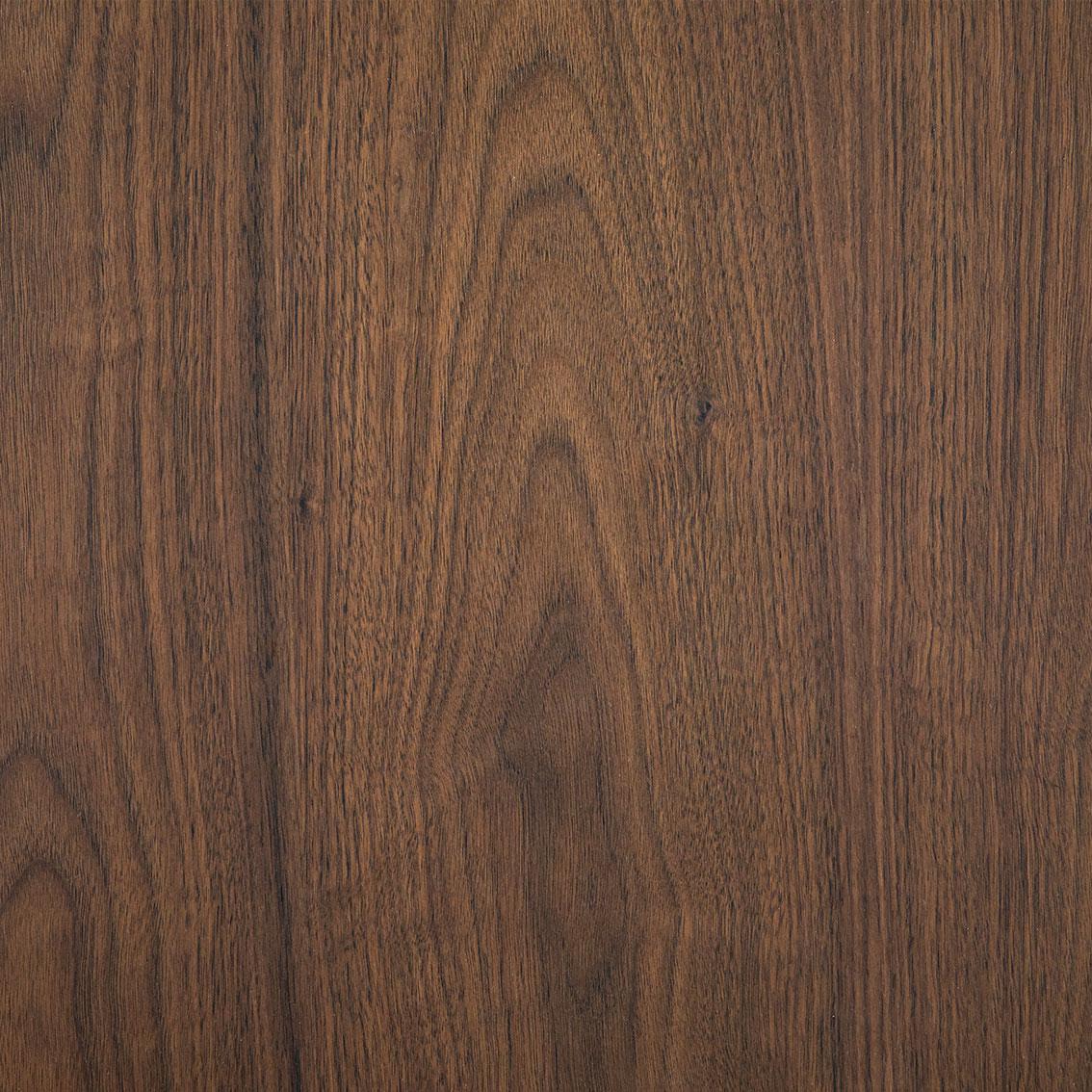
WOOD
European Oak
European Oak is a durable and versatile hardwood valued for its warm colour, prominent grain and timeless character. It works across contemporary and traditional interiors and is commonly used for flooring, furniture, cabinetry and architectural joinery.
01
Overview
Hardwood
Beige · Honey · Light Brown
Natural · Versatile · Timeless
€€€ · Premium
Scandinavian · Modern · Traditional
Medium–High
02
Physical Characteristics
03
Finish Options
04
Common Applications
05
Advantages & Limitations
Advantages
- Timeless and highly versatile appearance
- Strong and durable for high-use applications
- Available in many grades and finishes
- Can be sanded, refinished and repaired
- Develops character as it ages
Limitations
- Colour and grain vary naturally
- Responds to changes in humidity
- Can scratch or dent under heavy use
- Sunlight can alter its colour over time
- Requires careful detailing in wet areas
06
Maintenance & Care
Dust regularly with a soft cloth and clean using a lightly damp cloth when required. Avoid standing water, steam, abrasive cleaners and products that are unsuitable for the selected finish.
Oiled surfaces may require periodic re-oiling, especially in high-contact areas. Lacquered surfaces should be maintained according to the finish manufacturer’s instructions.
07
Installation Considerations
- Allow the timber to acclimatise before installation.
- Confirm moisture levels suit the intended environment.
- Coordinate colour, grain and board direction before fabrication.
- Allow for natural expansion and contraction.
- Protect finished surfaces during installation.
08
Sustainability
European Oak can be a responsible material choice when sourced from well-managed forests and used for a long service life. Request recognised chain-of-custody certification, use local suppliers where possible and choose repairable, low-emission finishes.
09
Best Pairings
10
Use With Caution
11