← Back to Material Library
Vegetable-Tanned Leather

LEATHER · NATURAL MATERIAL

Vegetable-Tanned Leather

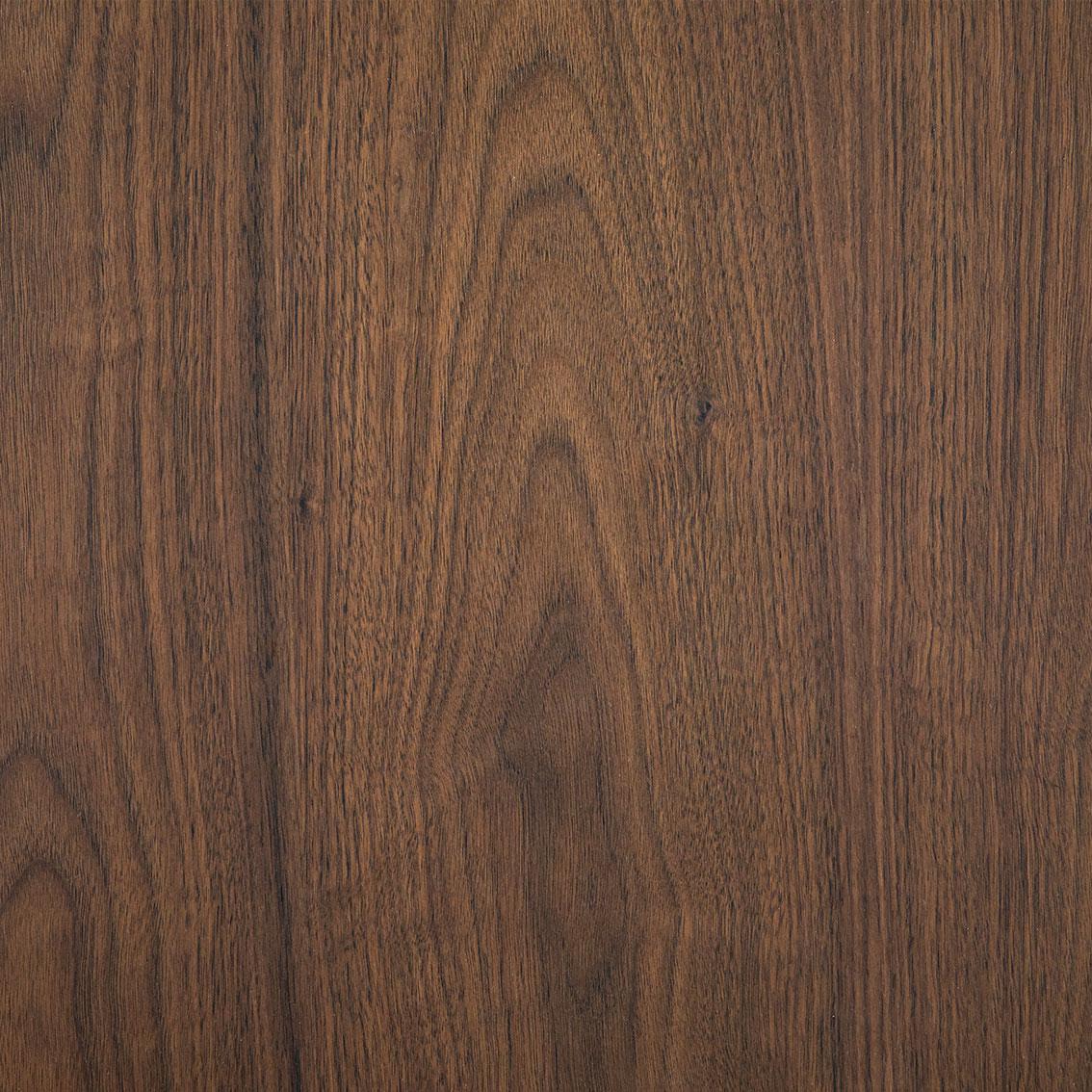
Vegetable-Tanned Leather is produced using plant-derived tannins obtained from bark, leaves and other botanical sources. Its warm colour, natural markings and ability to develop a rich patina make it suitable for furniture, upholstery, handles and decorative detailing.

MaterialLeather
OriginVaried Origins
Cost€€€
MaintenanceMedium

01

Overview

Material Type

Natural Leather

Colour

Tan · Cognac · Brown

Character

Natural · Tactile · Patinated

Cost Level

€€€ · Premium

Best Suited To

Timeless · Contemporary · Crafted

Natural Variation

High

02

Physical Characteristics

DurabilityHigh
Patina DevelopmentVery High
MaintenanceMedium
SoftnessMedium
Moisture ResistanceLow–Medium
RepairabilityMedium–High

03

Finish Options

Natural Oiled Waxed Dyed Embossed Perforated

04

Common Applications

Furniture Upholstery Wall Panels Cabinet Handles Desk Surfaces Decorative Details

05

Advantages & Limitations

Advantages

  • Develops a distinctive patina with age
  • Durable when properly maintained
  • Offers a warm and tactile natural surface
  • Uses plant-derived tanning agents
  • Small marks can become part of its character

Limitations

  • Colour and natural markings vary
  • Can stain when exposed to liquids
  • May fade or darken in direct sunlight
  • Requires periodic conditioning
  • Not suitable for consistently wet environments

06

Maintenance & Care

Remove dust with a soft, dry cloth. Blot spills immediately without rubbing and allow damp areas to dry naturally, away from direct heat.

Apply a leather conditioner recommended for vegetable-tanned leather when required. Always test products on a concealed area and avoid household cleaners, excessive water and silicone-based polishes.

07

Installation Considerations

  • Approve colour and natural markings before fabrication.
  • Allow for variation between individual hides.
  • Use adhesives and fixings suitable for leather.
  • Avoid stretching the material unevenly.
  • Protect the surface from moisture during installation.

08

Sustainability

Sustainability Level Moderate

Vegetable tanning uses plant-derived tannins rather than conventional chrome salts, but leather still carries impacts associated with animal agriculture, water use and processing. Prioritise traceable hides, responsible tanneries, verified environmental standards and durable applications that maximise the material’s service life.

09

Best Pairings

American Walnut European Oak Brushed Brass Travertine Wool Bouclé Warm Neutrals

10

Use With Caution

Standing Water Direct Sunlight Household Cleaners Sharp Objects

11

Similar Materials